
Root Canal Retreatment: When a Treated Tooth Needs Care Again
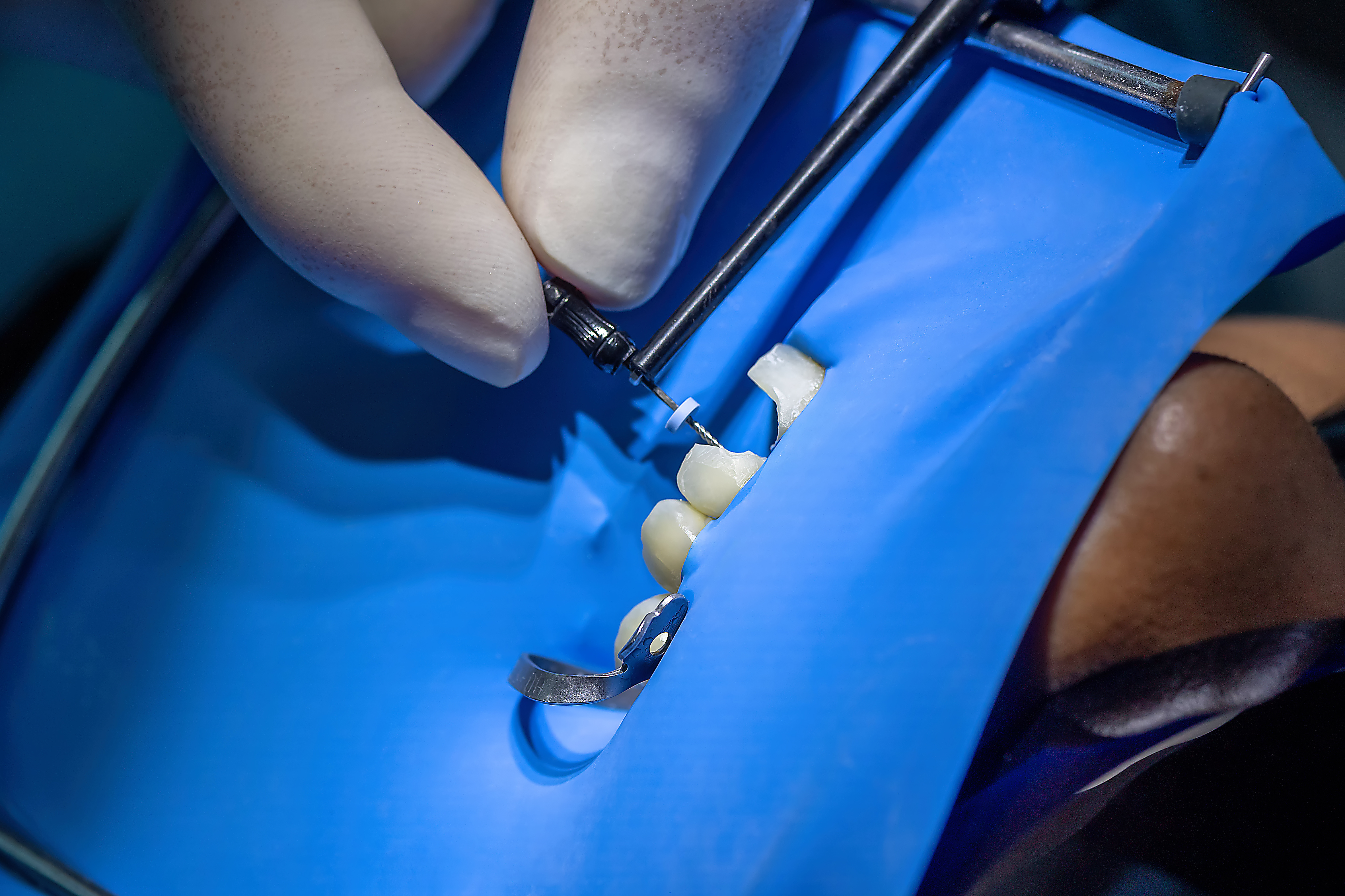
A root canal is designed to save a tooth for the long term, and most do exactly that. Occasionally, though, a tooth treated months or even years ago begins to ache again, feels tender when you bite, or develops swelling in the gum nearby. When that happens, the tooth can often still be saved. Root canal retreatment gives it a second chance, and it is a natural next step to understand if you have already had root canal treatment.
Why a Treated Tooth Can Become Infected Again
The inside of a tooth is a network of narrow canals, and no two teeth are shaped quite the same way. A previously treated tooth can develop problems for a few common reasons:
- Complex canal anatomy. Some teeth have extra or unusually curved canals that are difficult to locate and fully clean the first time.
- A delay before the final crown. If too much time passes between the root canal and the permanent restoration, bacteria can find their way back inside.
- New decay. A cavity that forms around an older crown or filling can expose the treated canals to bacteria.
- A cracked or loose restoration. A broken crown or filling can allow bacteria to seep into the tooth.
- A fracture in the tooth. A crack can open a new path for infection.
Signs a Treated Tooth Needs Attention
Symptoms are not always dramatic. Watch for:
- Pain or tenderness when biting or chewing on the tooth
- Swelling in the gum or face near the tooth
- A small, pimple-like bump on the gum that may come and go
- Lingering sensitivity or a dull ache that keeps returning
Some problems produce no symptoms at all and are first noticed on an X-ray during a routine exam, which is one more reason regular checkups matter.
If you have significant swelling or severe pain, treat it as a dental emergency. Advanced Dental Care of Ridgewood offers same-day emergency appointments. If swelling affects your breathing or swallowing, go to an emergency room right away.
How Root Canal Retreatment Works
Retreatment follows many of the same steps as the original procedure, with extra attention to whatever allowed the infection to return.
- The area is numbed, and the tooth is reopened, which usually means working through or removing the existing crown.
- The original filling material is removed from the canals.
- The canals are cleaned and disinfected, and the tooth is examined closely for additional canals or cracks.
- The canals are refilled and sealed.
- A new crown or filling is placed to protect the tooth.
Depending on the tooth, retreatment may take one or two visits. Placing a permanent dental crown promptly afterward is one of the most important steps in keeping the tooth healthy.
Is Retreatment Painful?
Retreatment is performed under local anesthesia, and most patients find it feels much like their original root canal or like having a filling placed. Some tenderness for a few days afterward is normal. For patients who feel anxious about dental visits, nitrous oxide sedation is available at our Ridgewood office.
When Retreatment Is Not the Best Option
Retreatment is often the most conservative way to save a tooth, but it is not right for every case.
- Root end therapy. When the problem sits at the very tip of the root, or when reopening the tooth would put an existing crown or post at risk, a minor surgical procedure called an apicoectomy can address the infection from beneath the gum. Our root end therapy page explains how it works.
- Extraction and replacement. If the tooth is cracked through the root or too damaged to restore, removing it and replacing it with a dental implant or bridge may be the better long-term choice. Our guide to root canal vs. tooth extraction covers that decision in detail.
Endodontic Care in Ridgewood
Endodontics is the area of dentistry focused on the inside of the tooth, including root canals, retreatment, and root end therapy. Advanced Dental Care of Ridgewood provides endodontic care for patients from Ridgewood, Glen Rock, Paramus, and throughout Bergen County.
Frequently Asked Questions
Can a tooth that already had a root canal get infected again?
Yes. It is uncommon, but bacteria can reenter a treated tooth through new decay, a cracked or loose crown, a fracture, or a canal that was not fully cleaned the first time. Retreatment can often save the tooth.
How long does root canal retreatment take?
Most retreatments are completed in one or two visits, followed by a new crown or filling to protect the tooth.
What happens if retreatment is not the right option?
If the infection is at the tip of the root or the tooth cannot be reopened safely, root end therapy may be recommended. If the tooth is cracked through the root or too damaged to restore, extraction followed by an implant or bridge may be the better choice.
Schedule an Evaluation
A tooth that hurts again after a root canal deserves a prompt look, and the sooner it is evaluated, the more options there usually are for saving it. Contact our Ridgewood office to schedule an evaluation, or call for a same-day appointment if you are in pain.